Junk journals have seen a fascinating transformation over the years, evolving from a purely handmade craft to a modern digital creation, influenced by both tradition and technology. This change reflects broader trends in creativity and DIY culture, as new tools and methods enhance the crafting process. Let’s explore this evolution from the early days of junk journaling to the rise of AI-generated designs.
The Origins of Junk Journals
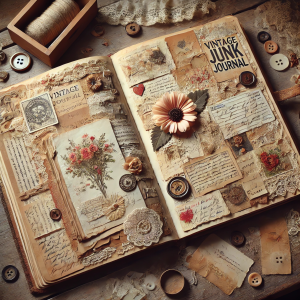 The concept of junk journaling began as a creative way to repurpose materials that would otherwise go to waste. Early practitioners would gather discarded items such as old books, paper scraps, postcards, and fabric, transforming them into unique and personalised journals. The handmade nature of these journals was a key feature, with crafters expressing their individuality and resourcefulness.
For many, the charm of junk journals lies in their eclectic nature and the freedom to incorporate various textures, colours, and materials. These journals were often used for scrapbooking, letter writing, and keeping memories, and each journal carried the artist’s personal touch.
The Digital Revolution
With the rise of the internet and digital design tools, the world of junk journaling began to shift. Digital technology offered new possibilities, such as the ability to create and store designs without needing physical materials. Crafters could scan vintage papers, create digital embellishments, and use software like Photoshop or Canva to design their journals. This made the process faster, more convenient, and more accessible to a wider audience.
Soon, digital junk journals started gaining popularity, particularly among people who lacked the time or space for traditional crafting. The ability to print out journal pages at home or download digital collections added a new dimension to the craft, allowing for mass production of bespoke designs.
AI and the Future of Junk Journals
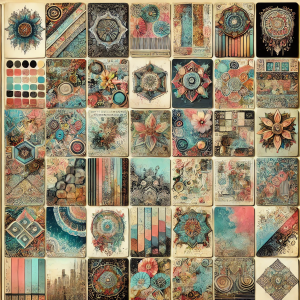 The most recent shift in the evolution of junk journals has been the integration of artificial intelligence (AI). AI-generated designs are becoming an increasingly popular option for crafters, offering endless creative possibilities with minimal effort. By using AI tools, designers can create highly detailed, unique journal pages, embellishments, and backgrounds without the need for advanced design skills.
One of the key advantages of AI in junk journaling is the speed and convenience it offers. Crafters can input a specific theme, style, or idea, and within moments, AI can generate a variety of designs to choose from. This opens up new opportunities for those who may not be familiar with traditional design tools or who are looking for fresh inspiration.
Moreover, AI-generated content is adaptable and customizable, allowing for easy adjustments to suit personal preferences. Whether creating vintage-themed pages or abstract designs, AI can produce diverse and high-quality results in a fraction of the time it would take using traditional methods.
Bridging the Gap Between Tradition and Technology
While AI has made a significant impact on the world of junk journaling, it doesn’t replace the charm of handmade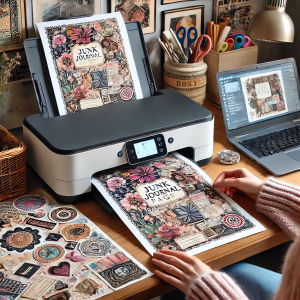 creations. Many crafters still enjoy the tactile process of working with physical materials and the sense of accomplishment that comes from crafting something with their hands. However, the rise of AI-generated designs has expanded the possibilities of what junk journaling can be.
Today, many journal makers blend the best of both worlds, combining digital creations with traditional crafting techniques. For example, AI-generated pages might be printed out and enhanced with hand-stitched embellishments or vintage items, creating a unique fusion of old and new. This integration reflects a broader trend in the crafting world, where technology enhances creativity without replacing the heart of the craft.
Conclusion
The evolution of junk journals from handmade crafts to AI-generated designs highlights the adaptability and resilience of this creative tradition. From the use of recycled materials to the rise of digital tools and artificial intelligence, junk journaling has embraced innovation while still maintaining its charm and individuality. As technology continues to advance, the possibilities for junk journaling will only expand, offering new ways for creators to express themselves and share their unique stories with the world.